
After four decades serving South Africa’s most exclusive wine country properties, some stories about wine estate luxury hospitality can finally be told. This is one of them.
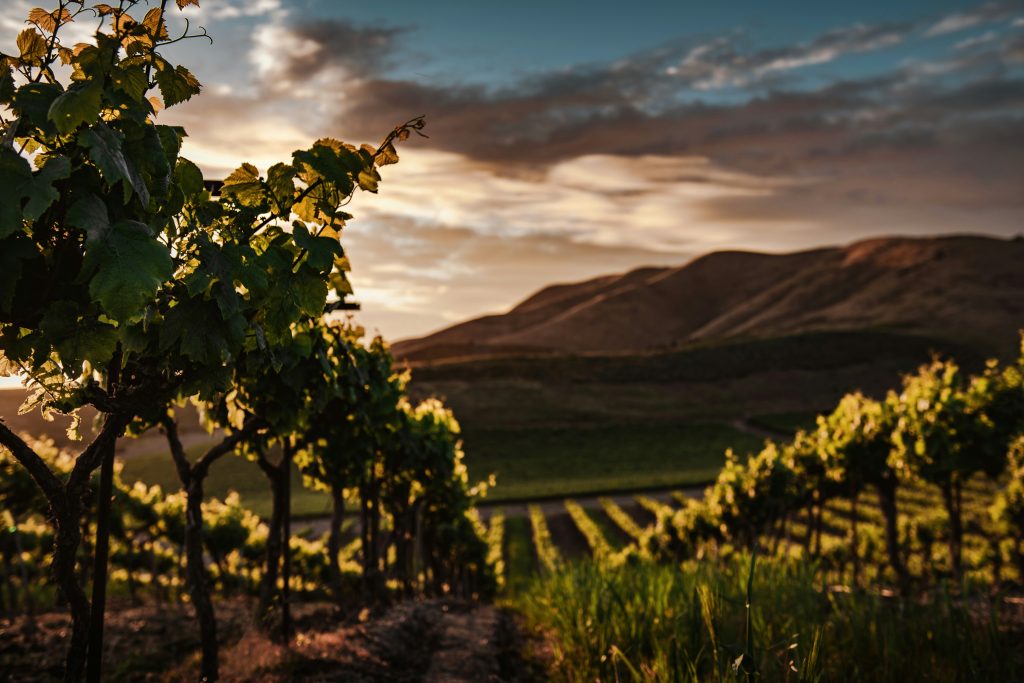
Understanding the Terroir Paradox
At one of the Cape Winelands most photographed estates—a property whose name evokes both agricultural heritage and international acclaim—rapid evolution from working farm to five-star destination created a positioning challenge that standard luxury suppliers fundamentally misunderstood.
The estate’s reputation was built on authenticity: guests came to experience a working farm where wine, produce, and hospitality grew from the same soil. But as international recognition elevated expectations, the property needed to deliver five-star refinement without sacrificing the agricultural honesty that made it distinctive.
This wasn’t a procurement brief. It was a brand philosophy question disguised as a hospitality materials project.
The Brand Essence of Farm-to-Luxury
What separates authentic wine estate hospitality from corporate luxury hotels with vineyards?
Authenticity Over Aspiration
Guests don’t come to Cape Winelands estates to escape reality—they come to experience a more honest version of it. They want to smell soil on their hands after garden tours. They want to taste terroir in their wine. They want materials that feel rooted in place, not imported from European luxury catalogs.
Terroir as Philosophy
In winemaking, terroir describes how geography, geology, and climate shape a wine’s character. Great wine estates extend this philosophy beyond the vineyard: everything—from architecture to menus—should express the place it comes from. Materials must feel indigenous, not applied.
The Five-Star Farm Contradiction
How do you signal world-class hospitality standards while maintaining working-farm authenticity? How do you make guests feel they’re dining in a farmhouse while meeting five-star service expectations? This paradox is where most luxury suppliers fail. They default to either:
- Corporate luxury aesthetics (polished, pristine, placeless)
- Rustic farm styling (charming but casual, lacking refinement)
Neither honors the estate’s core proposition: sophisticated authenticity.
The Design Brief That Changed Everything
The call came from the estate’s creative director—someone who understood that materials communicate brand philosophy before a single word is spoken. The challenge was elegantly stated:
“Our menus need to feel like they grew from the same soil as our vegetables. But they also need to signal to international guests that this is a world-class dining experience. They can’t look corporate. They can’t look casual. They need to smell of both soil and success.”
Timeline: Three weeks until the estate’s seasonal menu launch and a visiting wine writer’s feature. The constraint: Materials must support the farm-to-table narrative without becoming props. The paradox: Create luxury that doesn’t announce itself as luxury.
This is where terroir becomes tangible design.
The Farm-to-Luxury Material Response
We began not with leather samples but with a question: What if materials could carry the same authenticity story as the estate’s wine?
Understanding Place Before Selecting Materials
We spent days walking the estate. Not touring—studying. Observing how sunlight hit sandstone walls. How linen napkins moved in the outdoor dining breeze. How seed packets in the heritage garden shop felt in guests’ hands. How wine barrel wood aged in the cellar.
The estate wasn’t asking for materials. They were asking for a material expression of their terroir philosophy.
Vegetable-Tanned Leather as Agricultural Language
We specified vegetable-tanned leather—not because it’s “luxury,” but because it ages like wine barrels. Plant-based tanning processes, no chemicals, patina development that improves with handling. Leather that develops character rather than showing wear.
The honey tones weren’t chosen from Pantone guides. They were matched to the estate’s sandstone architecture—stone that’s been there for 300 years, looking more beautiful with each decade.
Linen Inserts as Textile Terroir
Muted natural linen inserts, their weave referencing the heritage seed packets in the garden shop. Not printed. Not embellished. Just texture telling story. When guests handled the menus, their fingers unconsciously traced the linen weave—a tactile connection to the agricultural textures they’d experienced in the gardens.
The Detail That Changed the Brief
The design deliberately left space for aging. New materials were finished to look “established” rather than pristine. This honored the estate’s philosophy: nothing here is brand new—everything is part of an ongoing story that predates this season and will continue after it.
Every detail reinforced the farm-to-table philosophy without a single printed word. The materials themselves became the narrative.
The Transformation No One Expected
When the seasonal menu launched, something unexpected happened.
Guests began photographing the menu covers. Not the food—the covers. Some photographed them before ordering. Others asked if they could purchase them as souvenirs. Several requested information about the materials during their meals.
One guest, a sommelier from a Michelin-starred London restaurant, remarked: “These feel like they should be in a museum gift shop. They’re more memorable than most wine labels I’ve encountered.”
Within two months, the estate’s gift shop developed a product line based on the menu design. Journals, wine-tasting note portfolios, recipe books—all using the same vegetable-tanned leather and linen aesthetic. The hospitality materials had become revenue-generating brand extensions.
This is luxury that transcends function. When materials are designed with such attention to terroir philosophy, guests don’t just admire them—they want to take the story home.
The Principle of Material Terroir
What this estate understood—and what we helped them express—is that farm-to-luxury hospitality requires a different material philosophy than urban luxury hotels.
Urban luxury says: “We’ve curated the world’s finest for you”
Farm luxury says: “You’re experiencing the finest expression of this place”
Urban luxury imports. Farm luxury expresses.
The materials we created didn’t try to compete with Hermès or Louis Vuitton. They competed with the estate’s wine—telling a story so rooted in place that it couldn’t exist anywhere else.
This is complementary enhancement for wine estate hospitality: honoring the agricultural authenticity that makes the brand distinctive while elevating the execution to five-star standards. Learn more about our Cape Winelands wine estate materials designed for terroir-driven hospitality.
Case File: WC-2020-T2-027
Sector: Wine Estate Luxury Hospitality
Timeline: 3 weeks from terroir consultation to installation
Outcome: Guest purchase requests leading to gift shop product line; materials featured in Condé Nast Traveler estate review; design approach replicated across three subsequent estate expansions; 40% of guests photographing materials alongside wine
For those familiar with Cape Winelands hospitality design along the Franschhoek and Stellenbosch routes, these farm-forward material expressions will be unmistakable. The wine estate brand enhancement work described here is proof that Vermont & Mintaka understands the difference between luxury that imports and luxury that expresses.
Related: Custom safari lodge materials with authentic African leather →
Stewarding a brand where place is the promise? Contact us for terroir-driven material consultation.
Ready to make your materials as memorable as your wine?
Frequently Asked Questions
How do wine estate materials differ from standard luxury hospitality design?
Wine estate luxury requires materials that express terroir philosophy—the idea that everything should feel rooted in place rather than imported from luxury catalogs. Standard hospitality materials signal “we’ve curated the world’s finest.” Wine estate materials signal “you’re experiencing the finest expression of this specific place.” This requires vegetable-tanned leathers that age like wine barrels and natural textiles that reference agricultural heritage rather than contemporary design trends.
Can hospitality materials become revenue-generating brand extensions?
Yes—when materials are designed with souvenir potential and brand story in mind. At this Cape Winelands estate, menu materials became so desirable that guests requested to purchase them, leading to a gift shop product line generating additional revenue. The key is designing materials that guests want to take home not as memorabilia, but as objects worth owning independent of the experience they represent.
What is “material terroir” in wine estate hospitality?
Material terroir extends the winemaking concept of terroir (how place shapes character) to hospitality design. Just as wine expresses its vineyard’s unique geology and climate, materials should express the estate’s agricultural heritage and regional aesthetic language. This means vegetable-tanned leathers that develop patina like barrel wood, color palettes matched to estate architecture rather than trend forecasts, and textures that reference seed packets, linen napkins, and farm surfaces guests encounter throughout their visit.
How do you balance farm authenticity with five-star luxury expectations?
The key is sophisticated authenticity rather than choosing between rustic and refined. Materials must signal world-class quality through execution excellence (stitching precision, finishing quality, durability engineering) while maintaining agricultural honesty through material selection (vegetable tanning, natural textiles, earth-tone palettes). The result feels expensive because it’s well-made, not because it’s trying to look expensive. International guests recognize this as a more elevated form of luxury than polished corporate elegance.
Why do wine estate materials need to “age” rather than stay pristine?
Wine estates celebrate aging—barrels develop character, buildings gain patina, wines improve with cellaring. Materials that fight aging (staying artificially pristine) contradict the estate’s core philosophy. Vegetable-tanned leather that develops honey tones with handling, natural linen that softens with use, and materials designed to look “established” rather than “new” honor the estate’s relationship with time. This aging characteristic makes materials feel more valuable as they’re used—the opposite of most hospitality materials that depreciate with wear.
Which Cape Winelands estates use Vermont & Mintaka materials?
We’ve served prestigious Franschhoek and Stellenbosch properties for over 40 years, including heritage estates and boutique wine hotels. While client confidentiality prevents naming specific estates, our materials are trusted where agricultural authenticity must coexist with international five-star standards. Wine estate clients find us through quiet industry channels where creative directors and brand stewards share suppliers who understand the farm-to-luxury paradox.
Recent Comments